Tiếng Việt




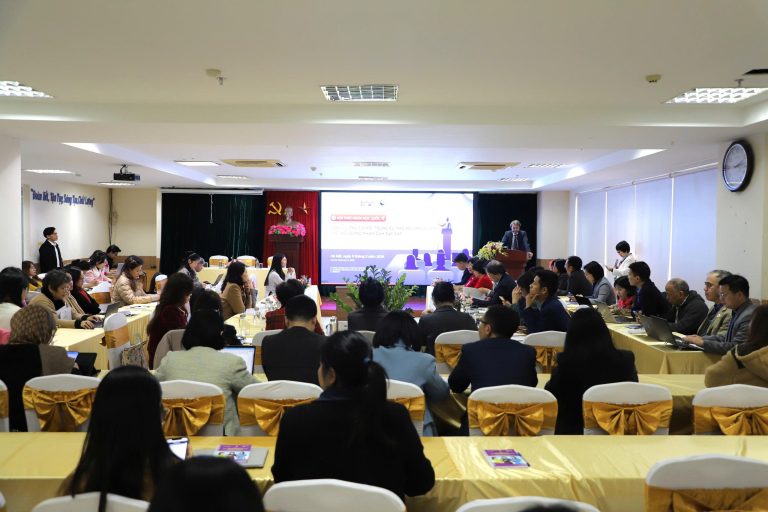
On 9 February 2026, the Vietnam Women’s Academy, in collaboration with the Australian People for Health, Education and Development Abroad (APHEDA) in Vietnam, will organize an international scientific conference entitled “Enhancing Electoral Success for Female Candidates to People’s Councils at All Levels.” Convened in Hanoi in advance of the election of deputies to the 16th National Assembly and to the People’s Councils for the 2026–2031 term, the conference is intended to provide rigorous scientific foundations and practical recommendations to improve both the proportion and the effectiveness of women’s representation in elected bodies. The event reflects a broader commitment to advancing gender equality in political participation and strengthening the quality of governance through inclusive representation.
An urgent requirement arising from practical development
The conference is expected to attract a wide range of participants, including representatives of the Vietnam Women’s Union, central ministries and agencies, local authorities, elected officials, international development partners, diplomatic missions, research institutes, universities, and domestic and international scholars. As an academic and policy-oriented forum, the event is designed to facilitate dialogue between empirical research and policy practice. By integrating scholarly analysis with practical governance experience, the conference seeks to contribute evidence-based insights that can inform institutional reforms and targeted support measures for female candidates.
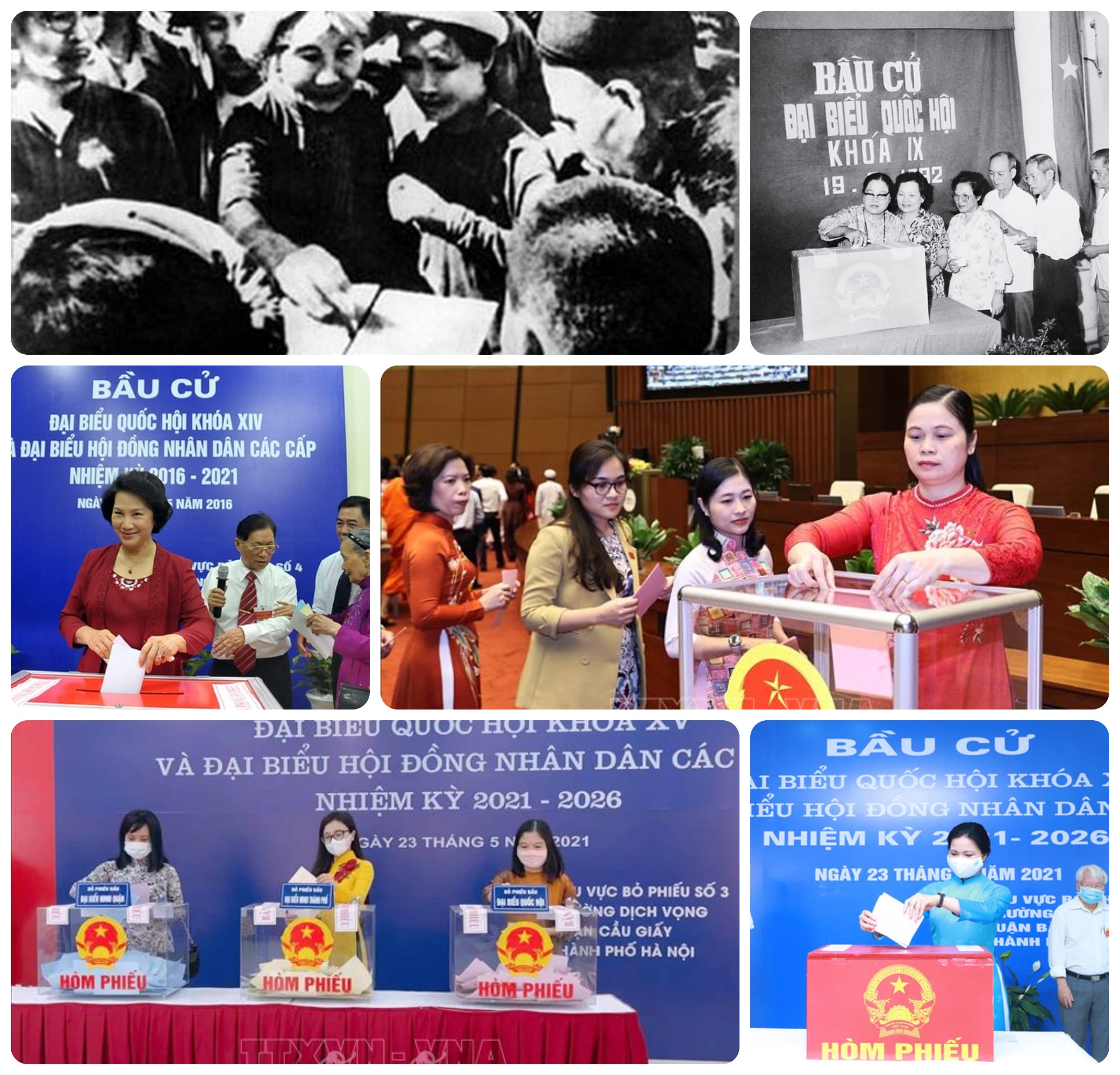
Women voters participating in the electoral process for representatives to People’s Councils at various administrative levels across different historical periods.
Vietnam has made notable progress in promoting gender equality during its process of renovation and international integration. The proportion of women serving in the National Assembly and in People’s Councils has gradually increased across successive terms, and female leaders have demonstrated meaningful contributions to legislative deliberation, socio-economic planning, and local administration. However, despite these achievements, gaps remain between actual outcomes and the targets established in national gender equality strategies. Women’s representation in People’s Councils at various levels has not consistently met expected benchmarks, and disparities persist among localities.
An academic forum bridging knowledge and policy.
Research and practical experience indicate that female candidates often face multidimensional challenges throughout the electoral process. These challenges include limited access to candidate nomination pathways, insufficient training in campaign strategy and political communication, restricted access to financial and institutional resources, and persistent gender stereotypes that shape voter perceptions and party support mechanisms. Additionally, disproportionate family responsibilities may constrain women’s capacity to engage fully in political activities. Addressing these structural and socio-cultural barriers requires comprehensive and coordinated interventions rather than isolated measures.
Within this context, the conference will focus on three principal thematic areas. First, it will examine the role, position, and voice of female People’s Council deputies in enhancing the effectiveness of local governance and promoting sustainable development. Second, it will analyze current barriers to women’s electoral success and propose policy, training, communication, and resource-based solutions aimed at increasing women’s competitiveness in elections. Third, it will explore the broader opportunities and constraints shaping women’s political participation, with a view to identifying innovative models and initiatives that promote substantive and equitable engagement within the political system.
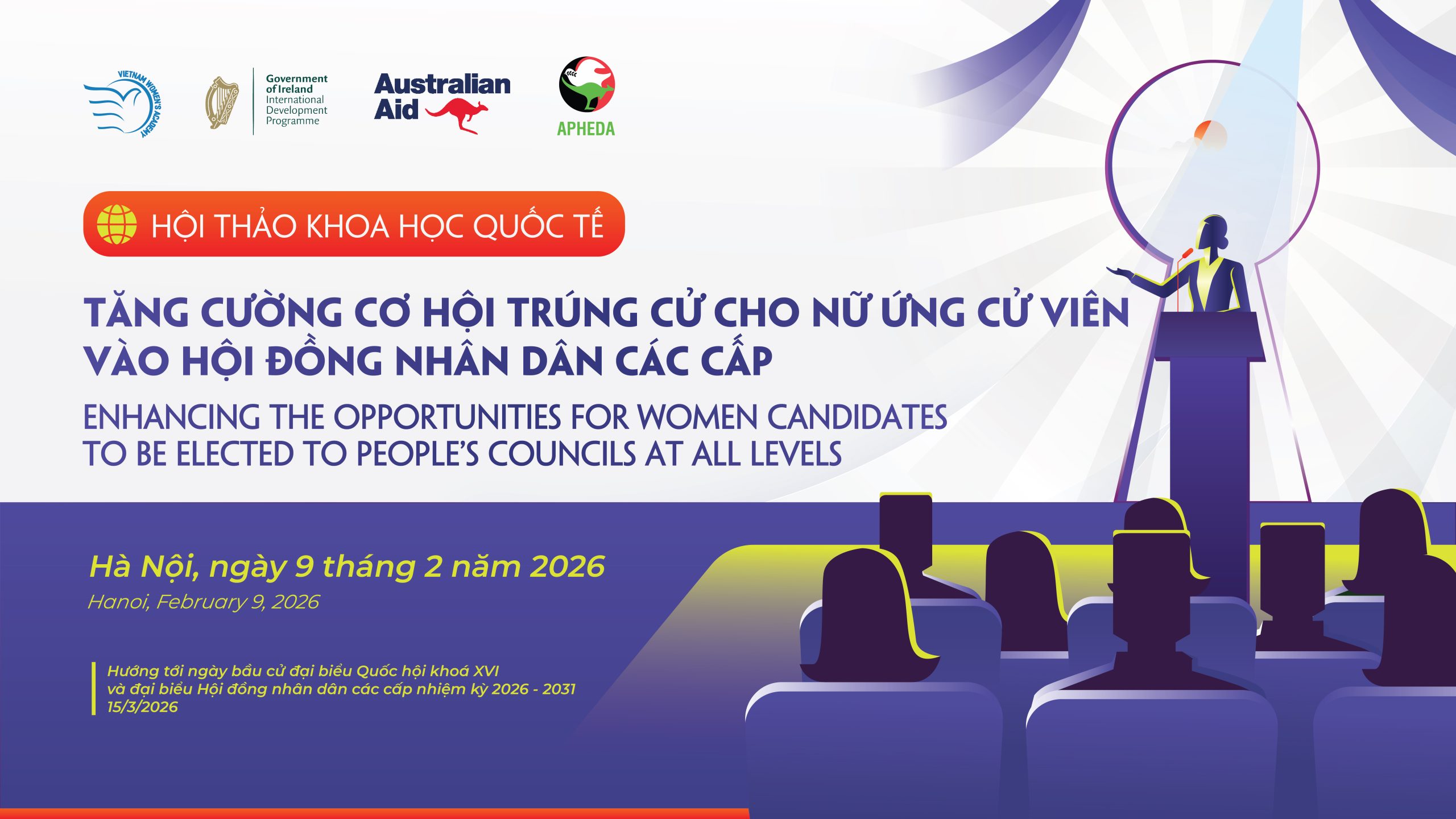
Nearly 50 full-length papers have been submitted by scholars, policymakers, and elected representatives from Vietnam and abroad. Selected papers will undergo peer review and be published in a special issue of the Journal of Science of the Vietnam Women’s Academy, thereby contributing to the evidence base available to policymakers, socio-political organizations, and training institutions.
Overall, the conference represents a timely and strategic intervention in the lead-up to the 2026–2031 electoral cycle. By articulating scientific arguments, disseminating international experience, and proposing context-sensitive solutions, the forum aims to strengthen policy formulation, enhance capacity-building initiatives, and foster greater societal support for women’s political leadership in Vietnam.