Tiếng Việt




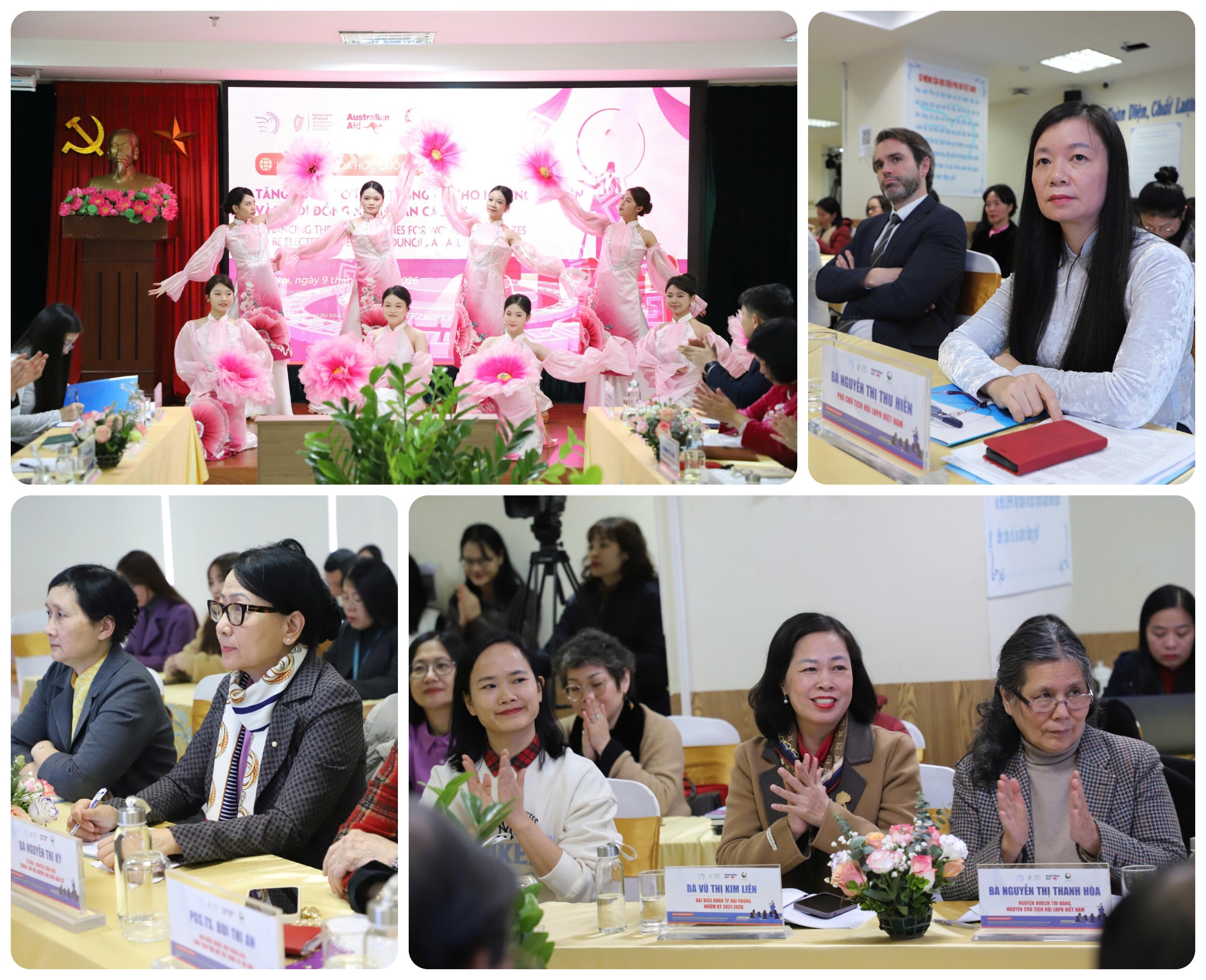
On 9 February 2026, the Vietnam Women’s Academy, in collaboration with the Australian People for Health, Education and Development Abroad (APHEDA) in Vietnam, organized an international scientific conference entitled “Enhancing Electoral Success for Female Candidates to People’s Councils at All Levels.” Convened in Hanoi amid nationwide preparations for the election of deputies to the 16th National Assembly and to the People’s Councils for the 2026 – 2031 term, the conference sought to generate rigorous scientific evidence and practical recommendations to improve both the proportion and the substantive quality of women’s representation in elected bodies.
The event brought together a broad spectrum of stakeholders, including representatives of the Central Committee of the Vietnam Women’s Union, central ministries and agencies, members of the National Assembly and People’s Councils, international development partners, diplomatic missions, research institutions, universities, and policy experts. The participation of high-level policymakers, scholars, and practitioners ensured a multidimensional dialogue that integrated empirical research with governance experience at both national and local levels. This interdisciplinary and cross-sectoral engagement underscored the recognition that enhancing women’s political participation requires coordinated institutional and societal efforts.
In her address, Ms. Nguyễn Thị Thu Hiền, Vice President of the Vietnam Women’s Union, reaffirmed the significant contributions of Vietnamese women to national development and emphasized that gender equality constitutes both a fundamental human right and a strategic driver of sustainable development. She noted that Vietnam has achieved encouraging progress in promoting women’s representation in the political sphere, exemplified by the fact that women account for over 30 percent of deputies in the 15th National Assembly – the highest proportion recorded to date. Nevertheless, women’s representation in People’s Councils at various levels has yet to meet national targets, and disparities persist across localities.
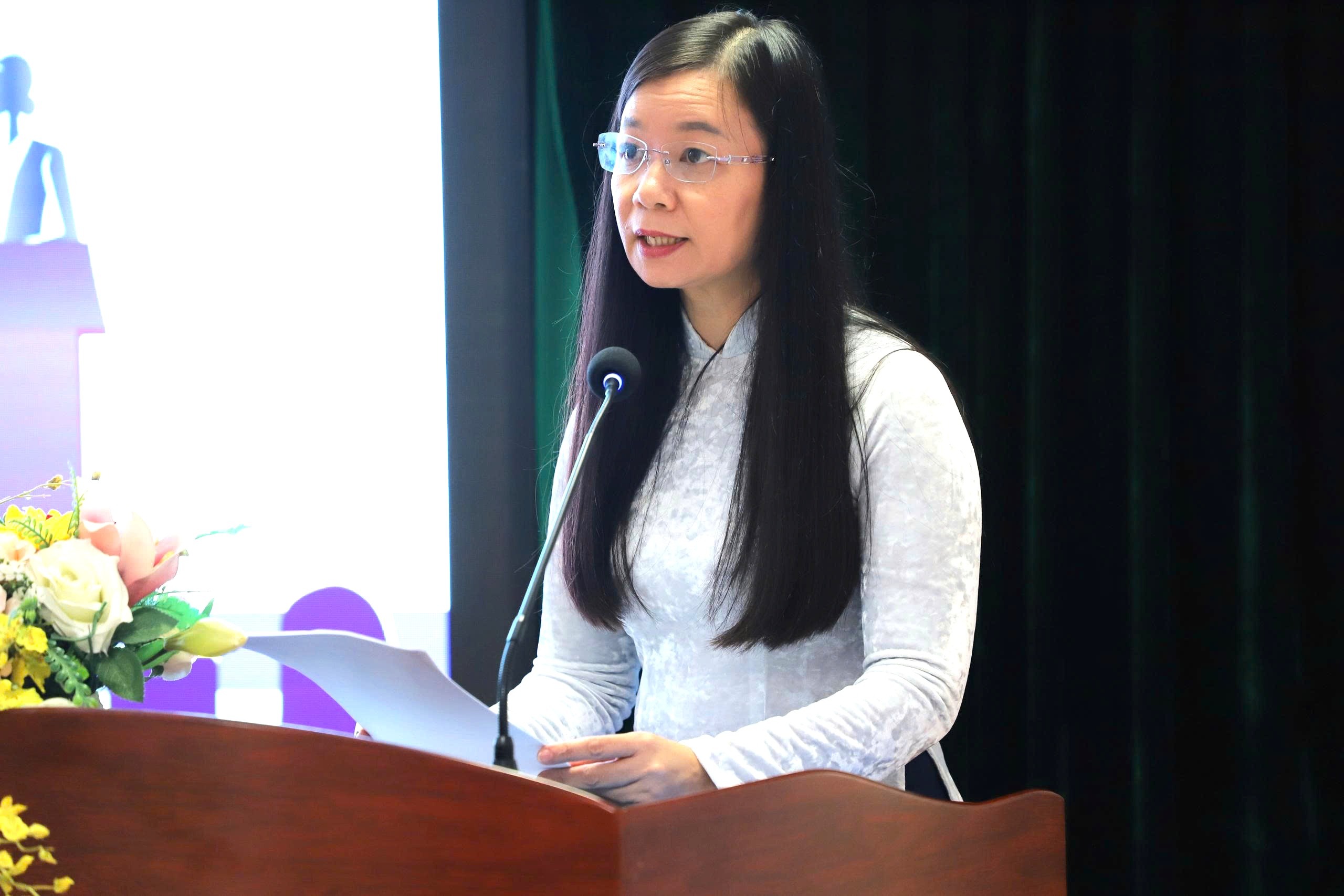
Conference discussions identified multiple structural and contextual barriers that continue to constrain women’s electoral success. These include entrenched gender stereotypes, unequal distribution of family responsibilities, limited access to leadership training and campaign resources, and institutional procedures that may inadvertently disadvantage female candidates. Participants emphasized that addressing these challenges requires a comprehensive approach that combines policy reform, capacity building, communication strategies, and resource mobilization. Furthermore, international experiences presented at the conference highlighted the importance of temporary special measures, mentorship networks, and gender-sensitive electoral frameworks in improving women’s representation.
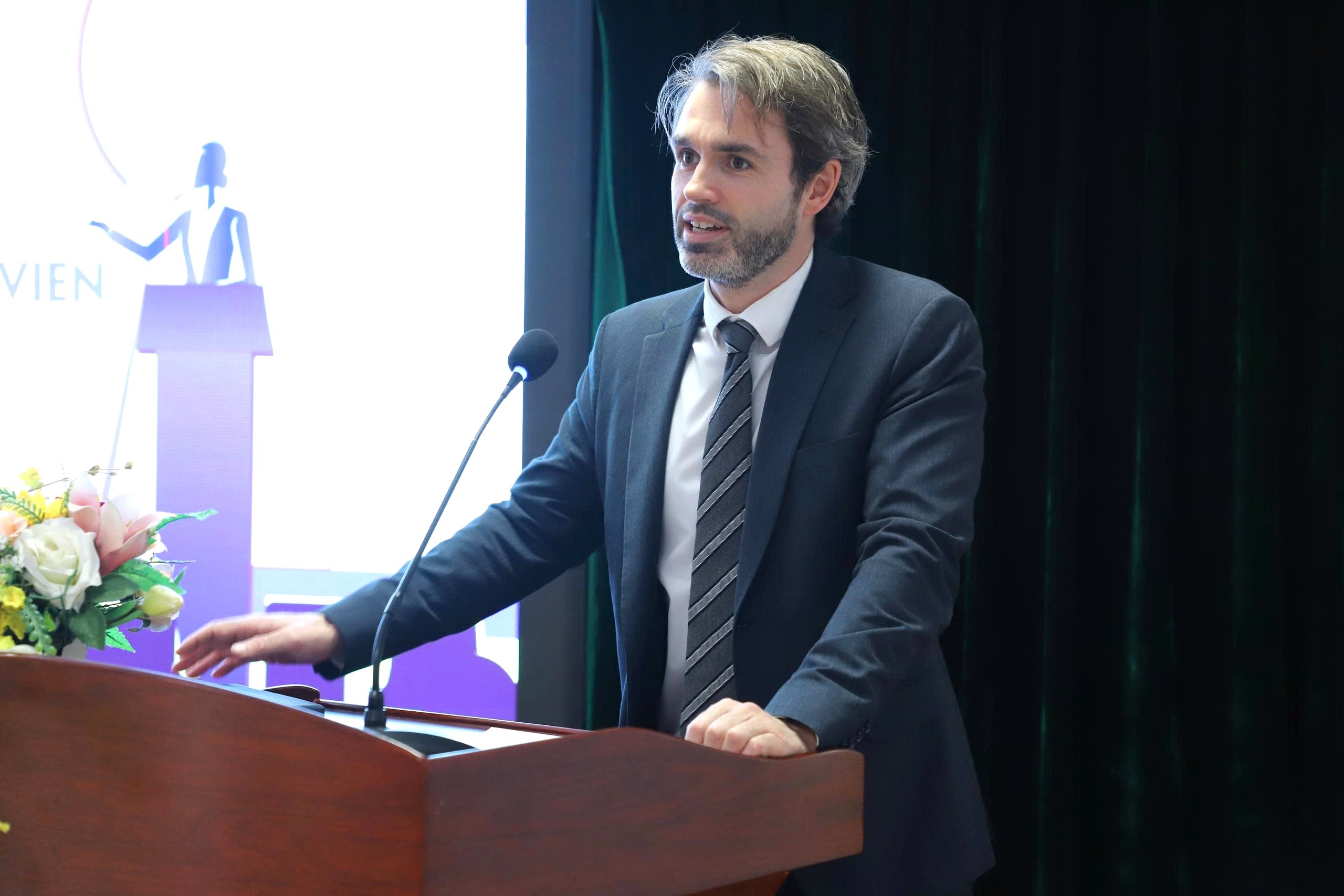
Representatives of international partners reaffirmed their commitment to supporting gender equality initiatives in Vietnam. Emphasis was placed on the value of knowledge exchange and collaborative programming to strengthen the capacity of female candidates and to promote inclusive, gender-responsive governance at the local level. Such cooperation reflects the growing alignment between domestic policy objectives and international development agendas concerning women’s political empowerment.
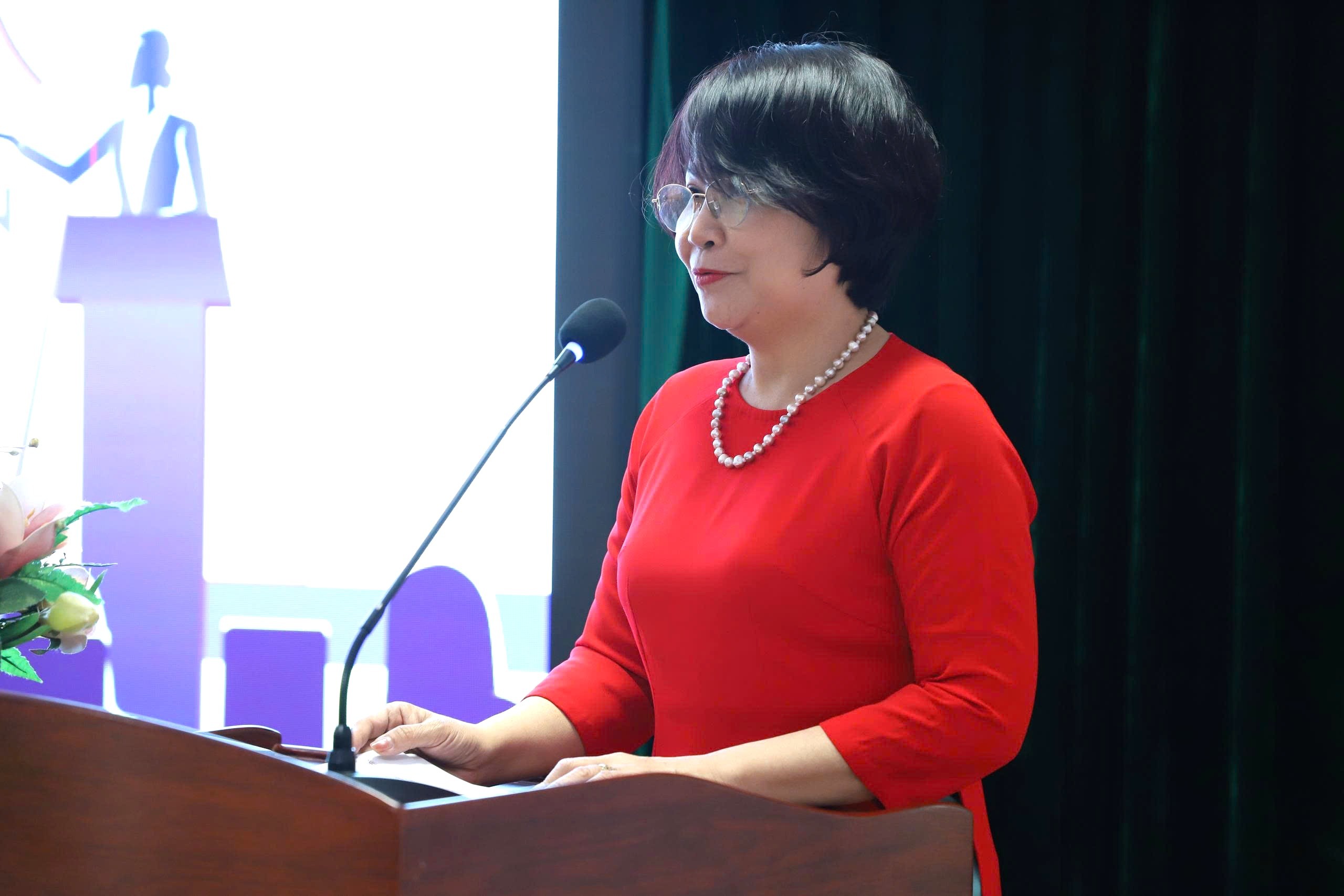
In his keynote remarks, Associate Professor Dr. Trần Quang Tiến, President of the Vietnam Women’s Academy, underscored that expanding women’s participation in elected institutions is not merely a normative requirement of gender equality policy but also a substantive strategy to enhance governance quality. Greater female representation contributes to more comprehensive deliberation, diversified policy perspectives, and improved responsiveness to the needs of different social groups. As a leading institution in gender and development studies, the Academy has implemented research projects, policy analyses, and training programs aimed at strengthening the competencies of female officials and prospective candidates.
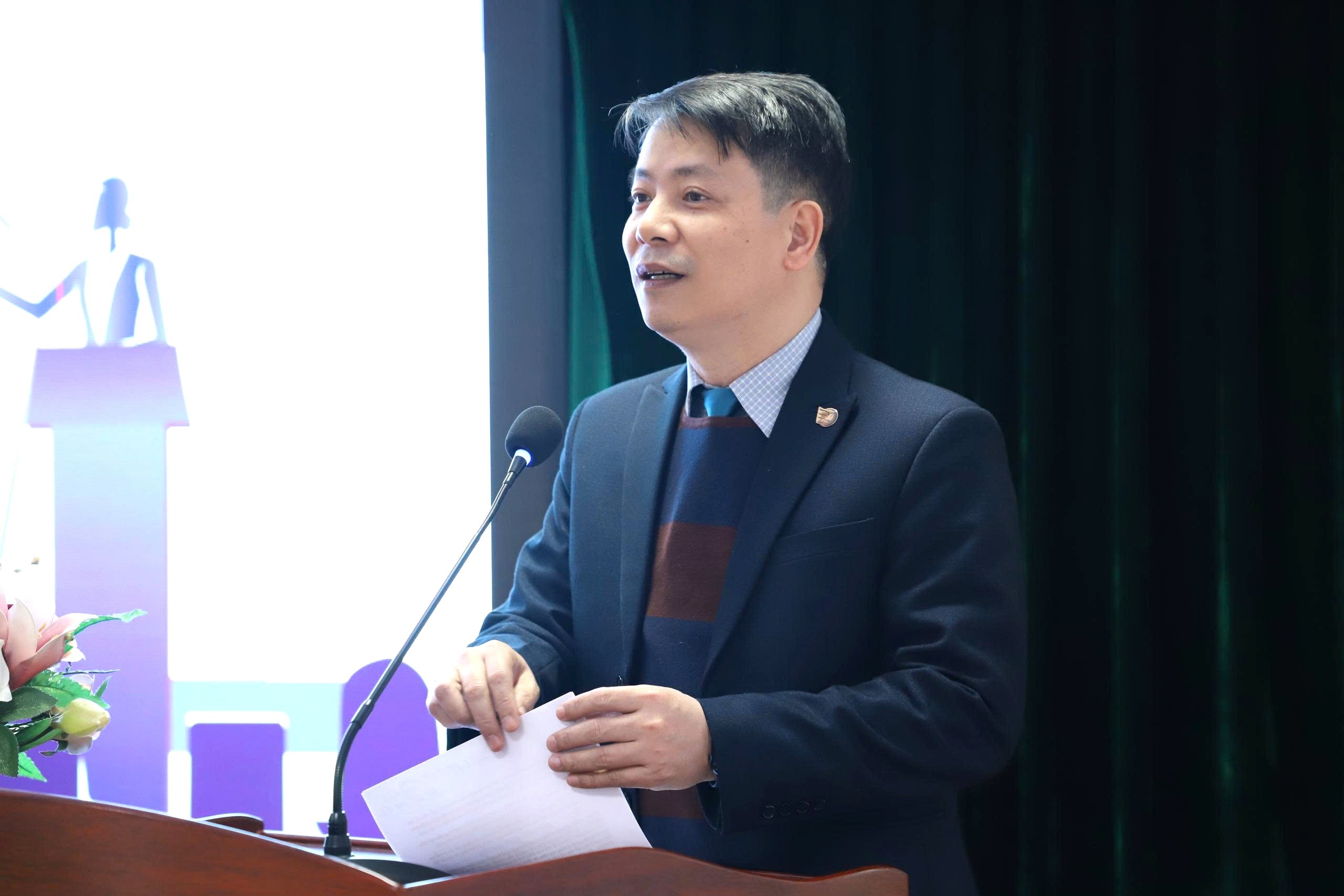
The conference received nearly 50 scholarly papers from domestic and international contributors, reflecting strong academic and policy interest in the topic. Selected papers will be published in a special issue of the Academy’s scientific journal, thereby providing a valuable reference for policymakers, political organizations, and training institutions.
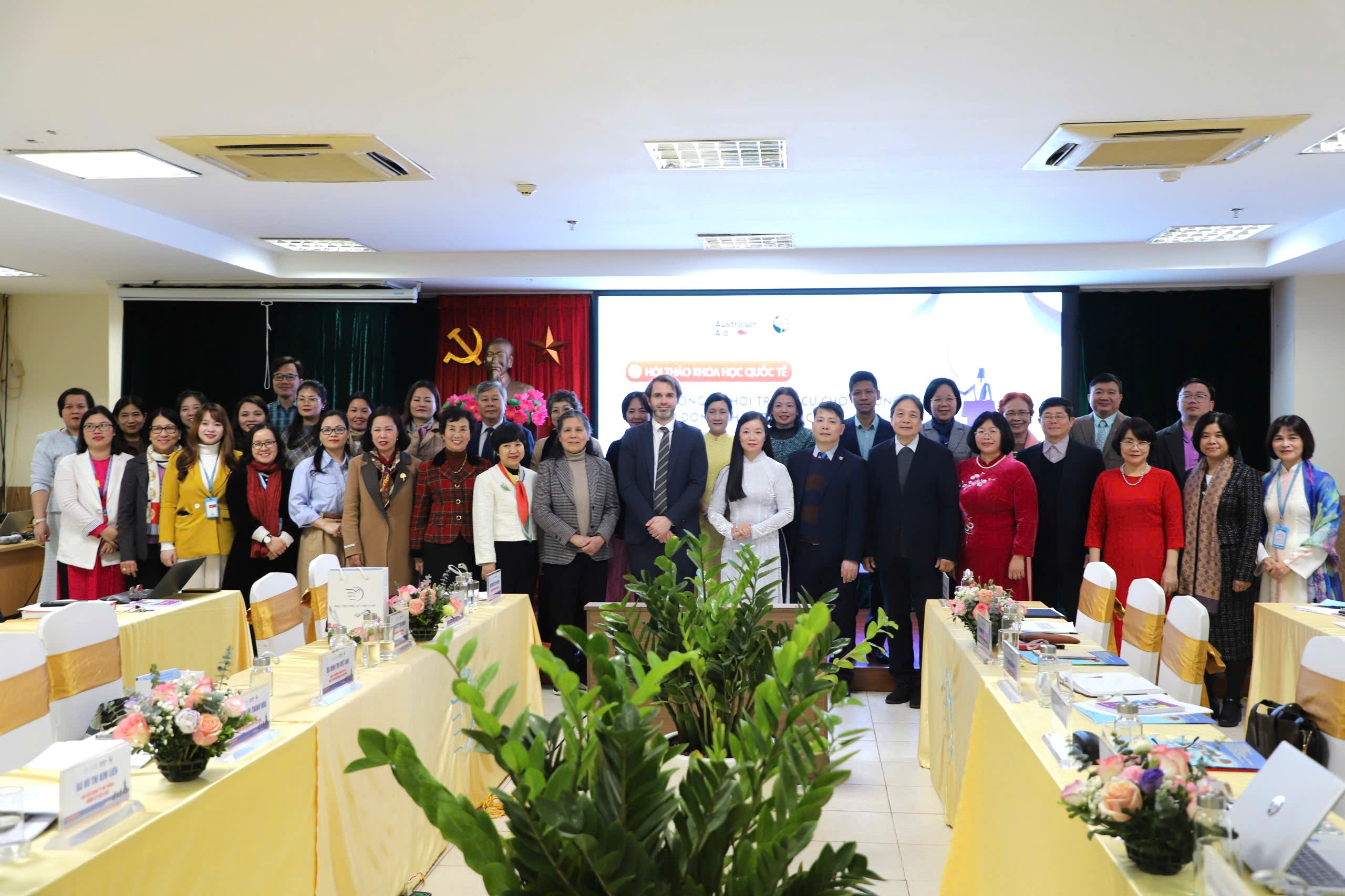
Overall, the conference constituted a timely and substantive contribution to ongoing efforts to advance women’s meaningful and equitable participation in Vietnam’s political system during the forthcoming electoral cycle.